
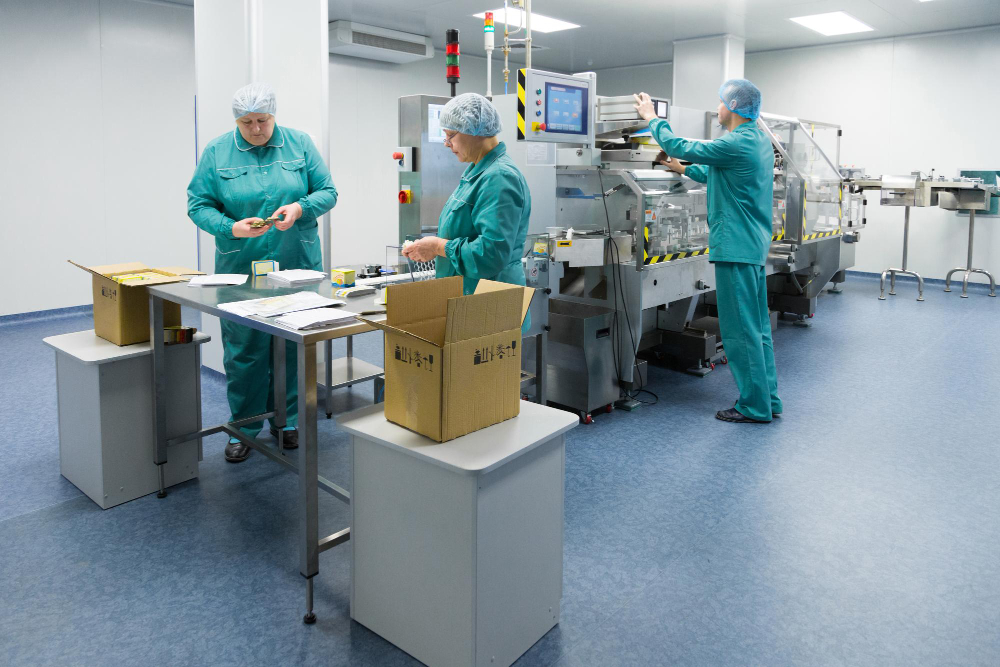
Foot Health Risks in Manufacturing and Warehousing
Manufacturing and warehousing environments place significant physical demands on workers’ feet and lower limbs. Long shifts, hard concrete floors, repetitive movements, and mandatory safety footwear all increase the risk of foot and musculoskeletal problems. If left unaddressed, these issues can affect comfort, safety, and long-term workforce sustainability.
Workplace podiatry plays an important role in identifying risks early and supporting safer working practices in these settings.
Why Manufacturing and Warehouse Workers Are at Higher Risk
Employees in manufacturing and warehousing roles are commonly exposed to:
-
Prolonged standing and walking
-
Hard, unforgiving floor surfaces
-
Repetitive lifting and carrying tasks
-
Long shifts with limited rest opportunities
-
Safety footwear worn for extended periods
These factors increase load through the feet, ankles, knees, and lower back.
Common Foot and Lower Limb Problems
Some of the most frequent issues seen in industrial environments include:
-
Plantar heel pain (plantar fasciitis)
-
Forefoot pain and callus formation
-
Achilles tendon strain
-
Ankle instability and fatigue
-
Knee, hip, and lower back pain linked to poor foot mechanics
Early signs are often ignored until pain becomes persistent.
The Role of Safety Footwear
While essential for protection, safety boots can contribute to discomfort and injury risk if they are poorly fitted or unsuitable for the task. Common issues include:
-
Inadequate cushioning on hard floors
-
Restricted movement affecting gait
-
Increased fatigue over long shifts
Workplace podiatrists provide guidance on selecting and managing safety footwear to improve comfort while maintaining compliance.
Safety, Balance, and Injury Risk
Foot pain and fatigue can affect balance and reaction time, increasing the risk of slips, trips, and falls. Maintaining good foot health is therefore a key component of workplace safety in manufacturing and warehousing environments.
How Workplace Podiatry Supports Industrial Workforces
Occupational podiatry services may include:
-
Foot and gait assessments
-
Identification of biomechanical risk factors
-
Advice on footwear and insoles
-
Early management of emerging foot pain
-
Education on injury prevention
These interventions help reduce strain and support safer movement at work.
Supporting Long-Term Workforce Health
Manufacturing and warehousing rely on experienced, physically capable workers. Supporting foot health helps employees remain comfortable, mobile, and able to meet the physical demands of their roles over time.
Conclusion
Foot health risks are common in manufacturing and warehousing but are often preventable. Workplace podiatry provides targeted, preventative support that helps reduce injury risk, improve comfort, and support sustainable working practices in industrial environments.
Popular Post
-

-
-
 05 Jan 2026
Supporting an Ageing Workforce Through Podiatry
-
-